Buying Guidance

Goal Zero Yeti Comparison: Which Power Station Should I Buy?

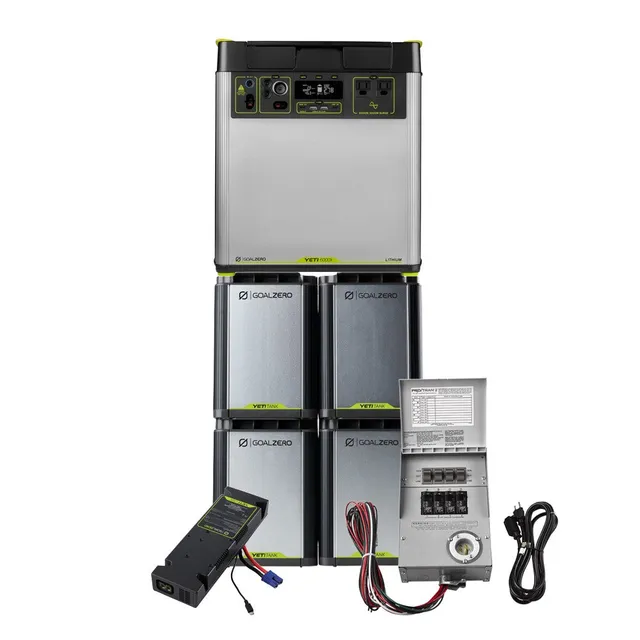
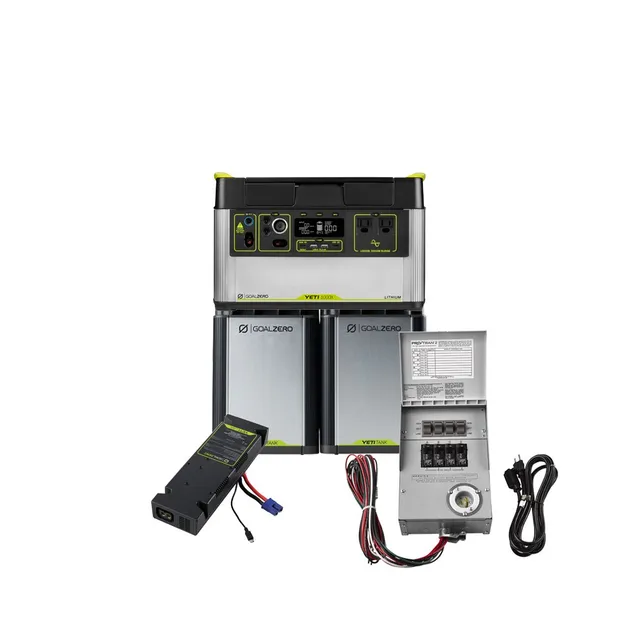
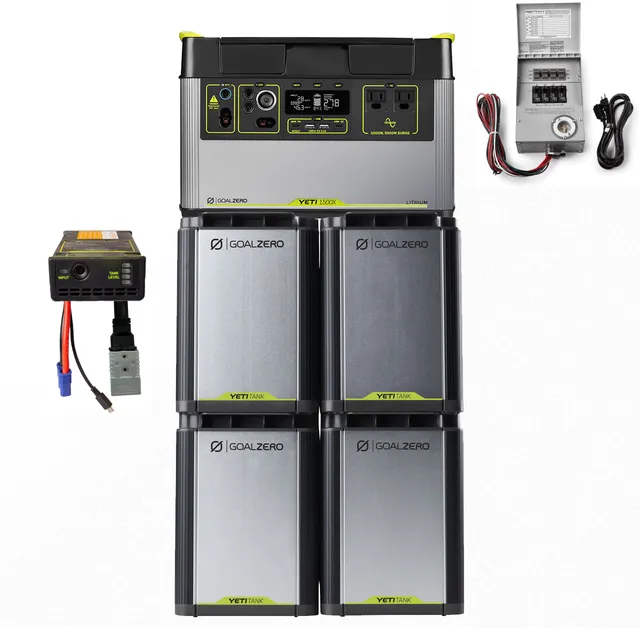
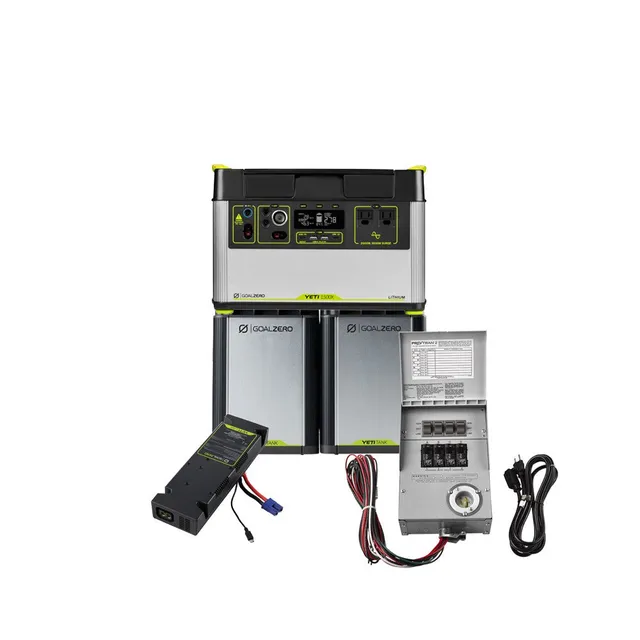
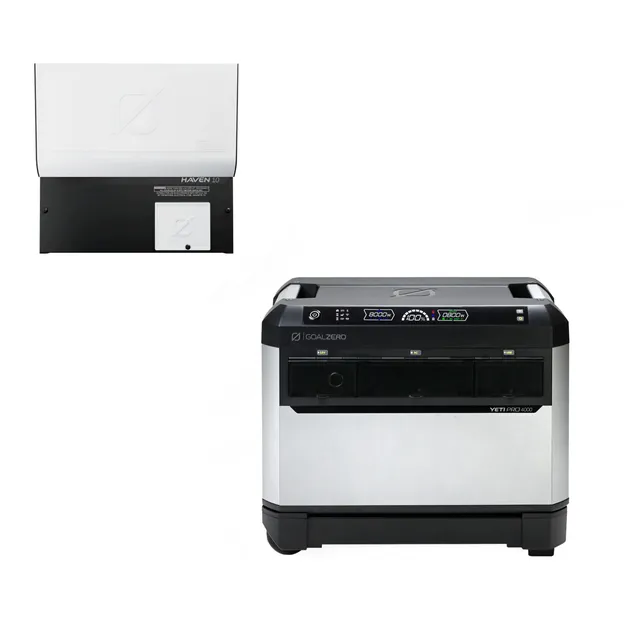
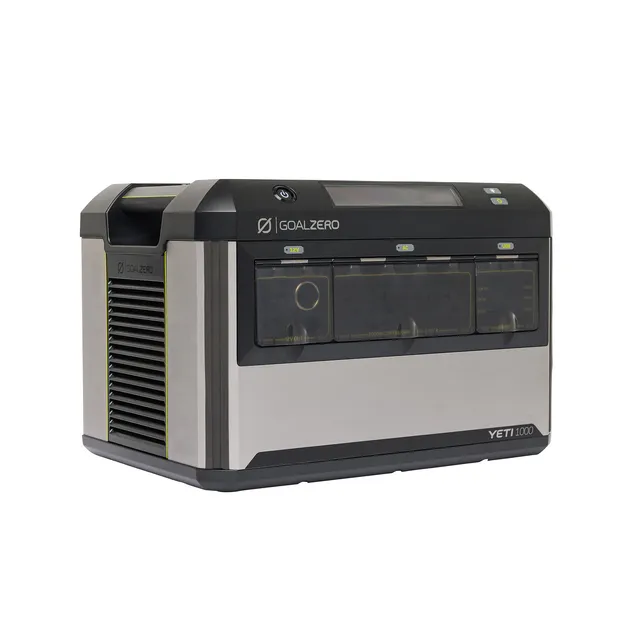
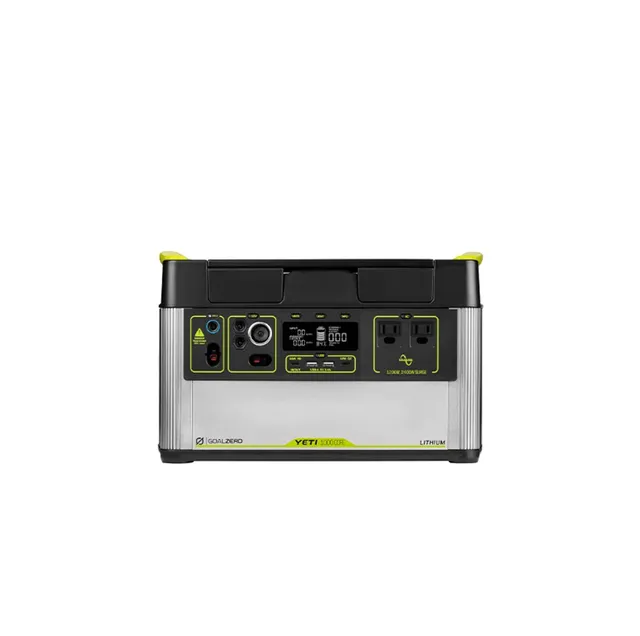
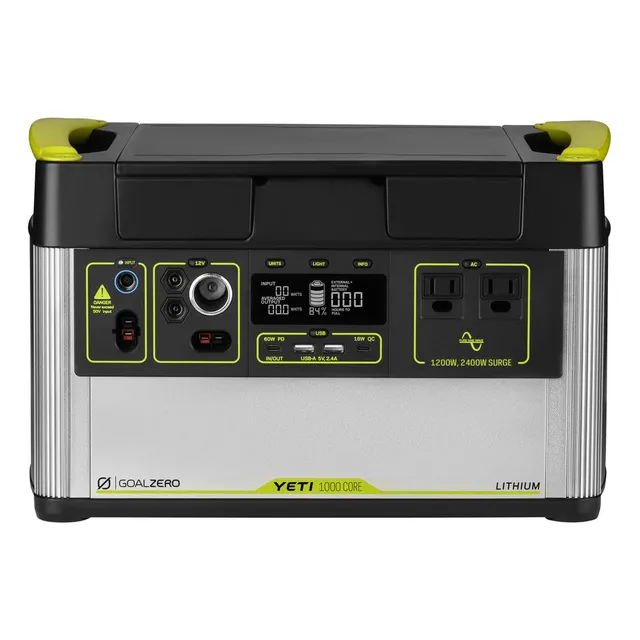
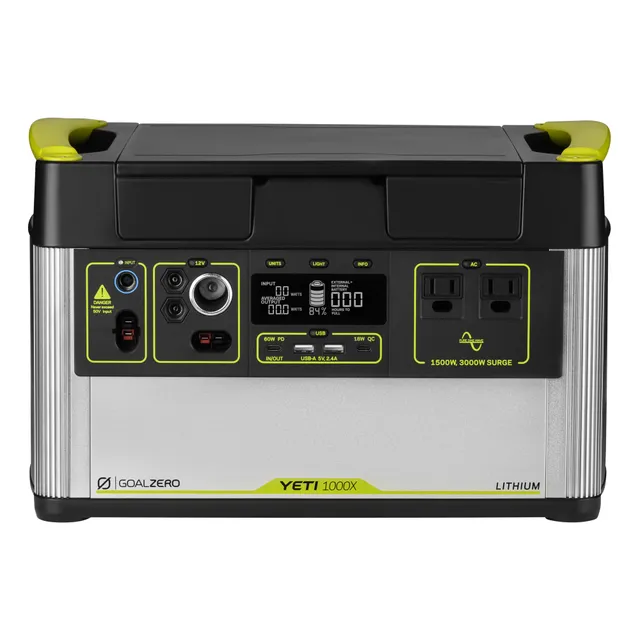
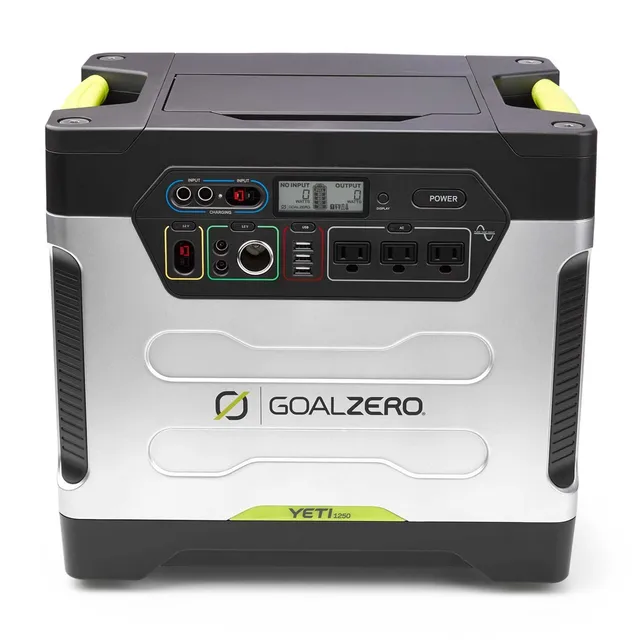
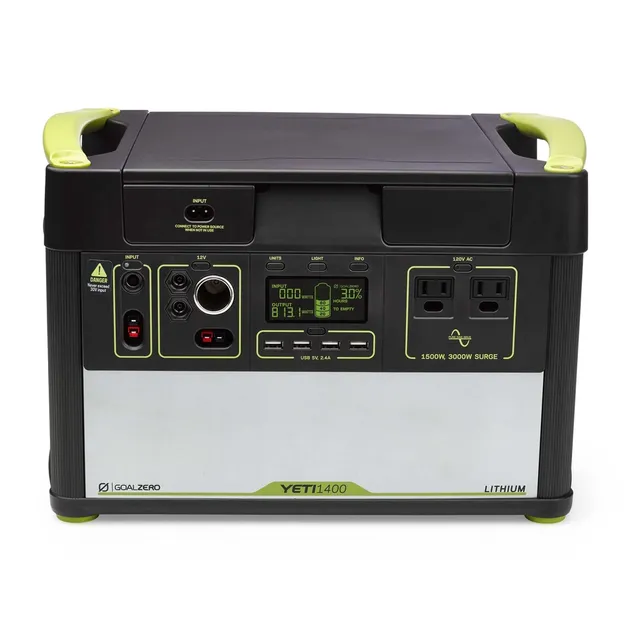
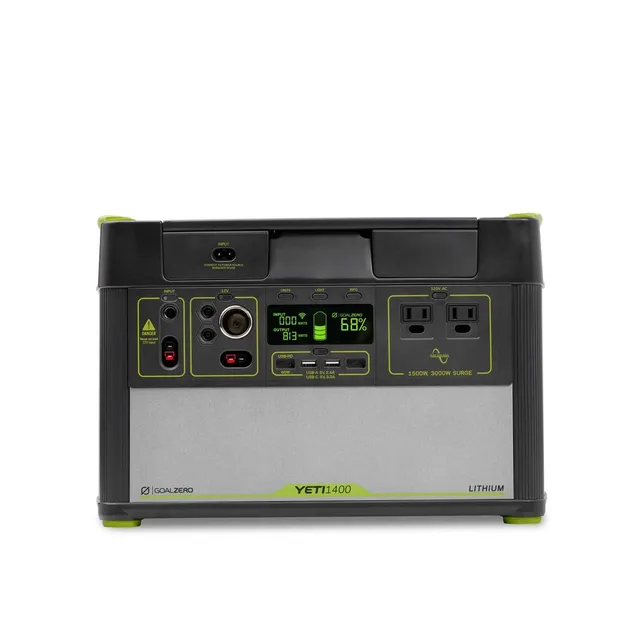
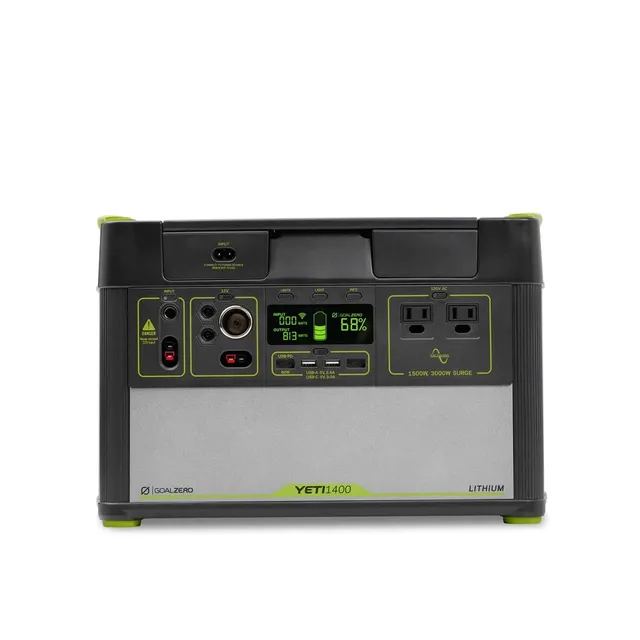
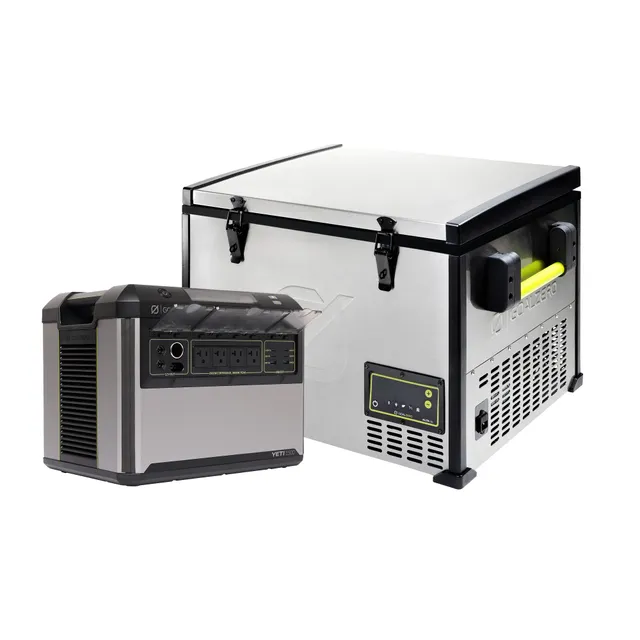
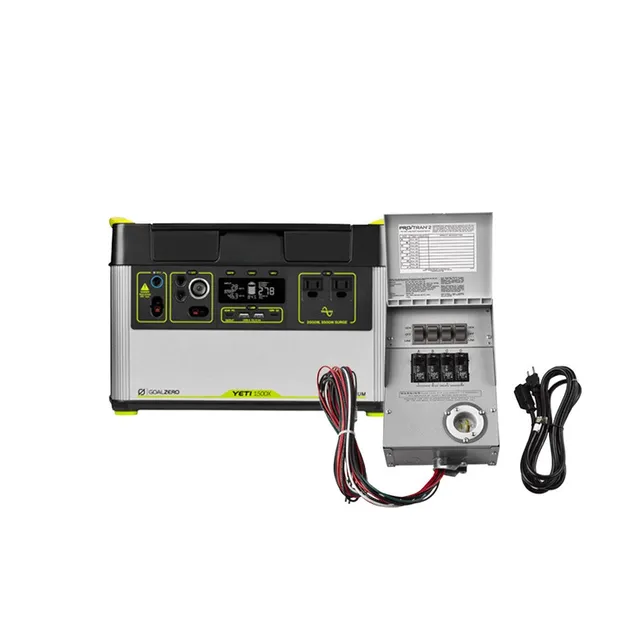
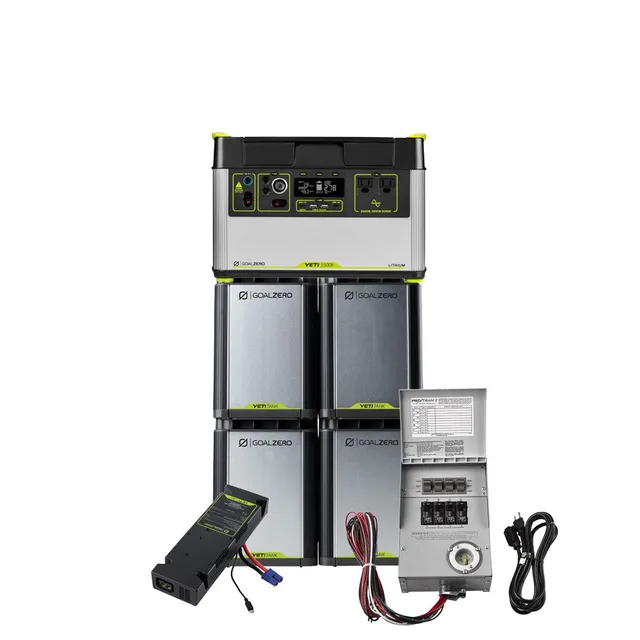
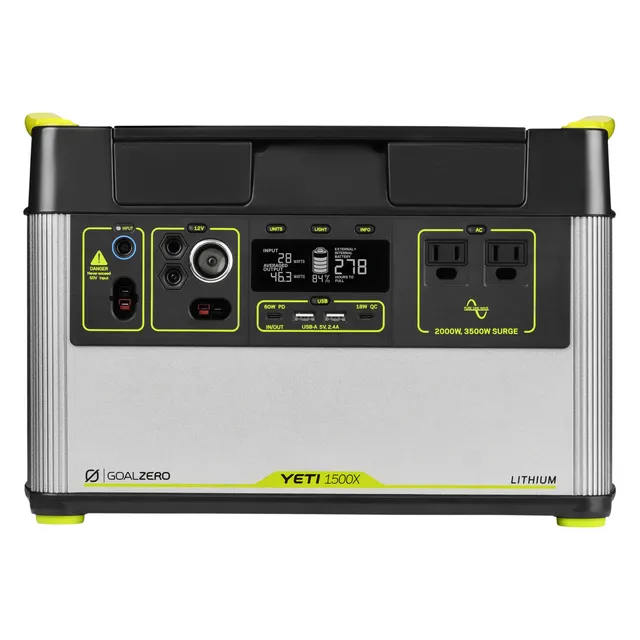
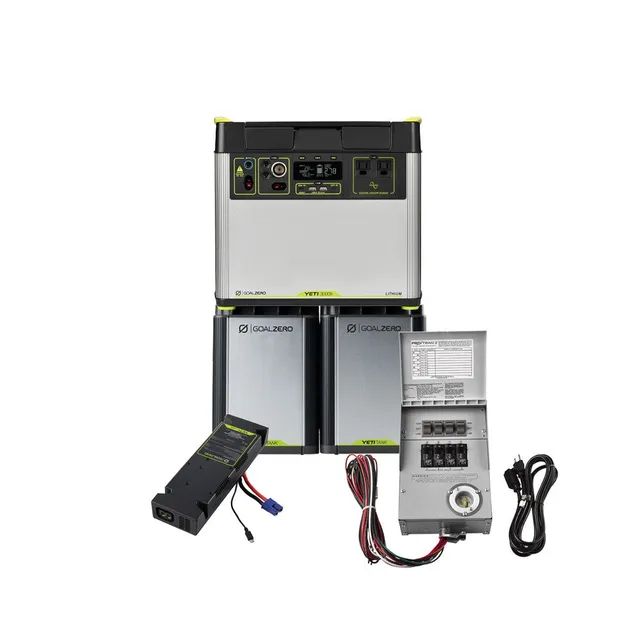
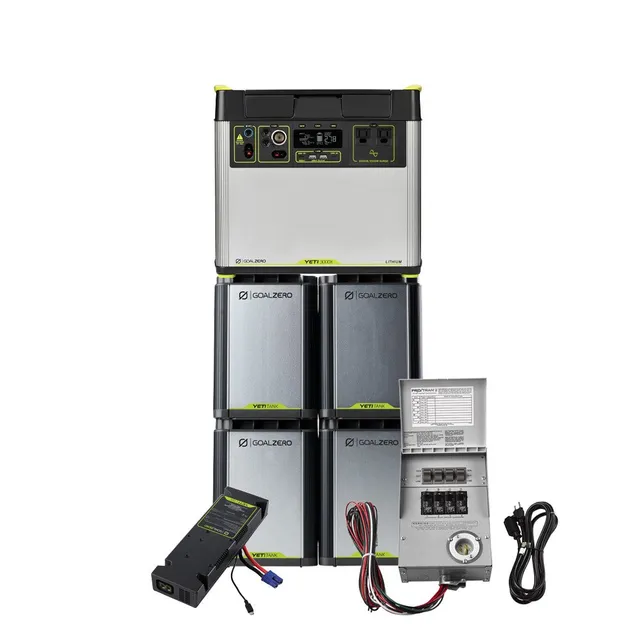
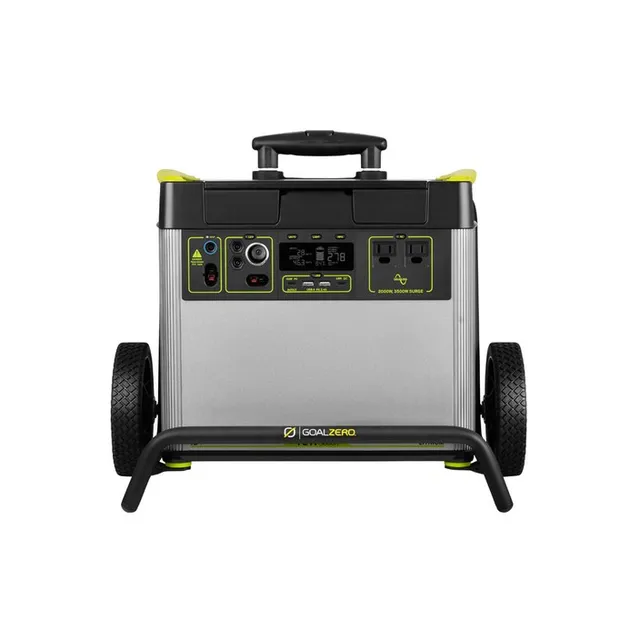
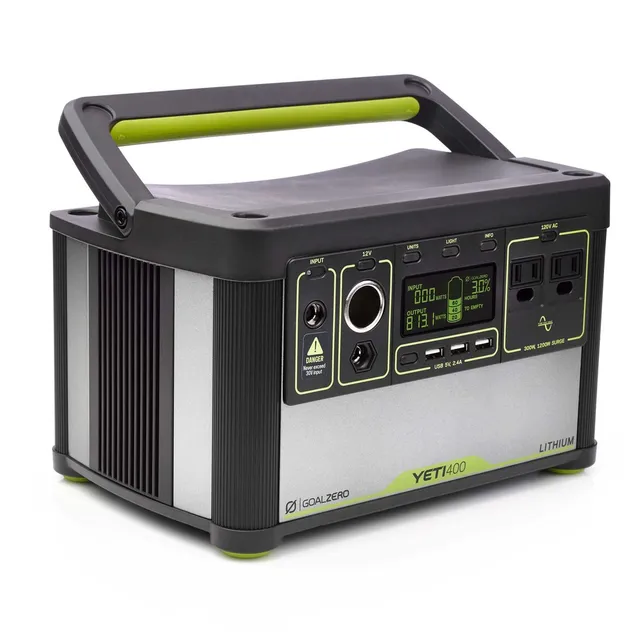
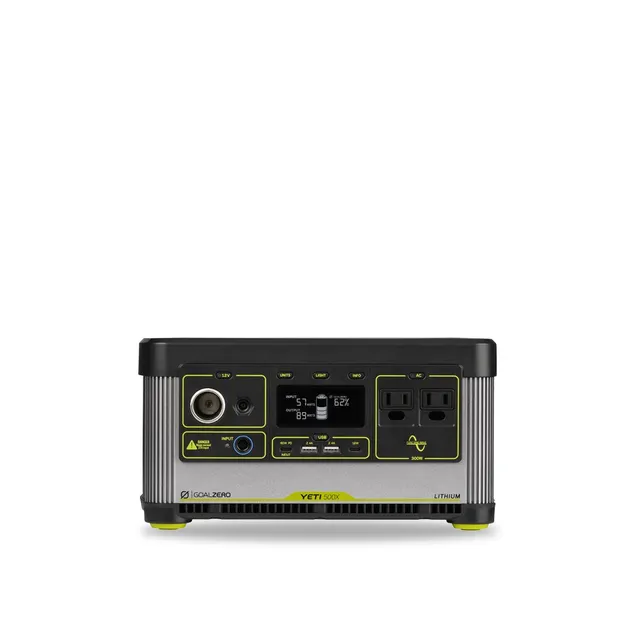
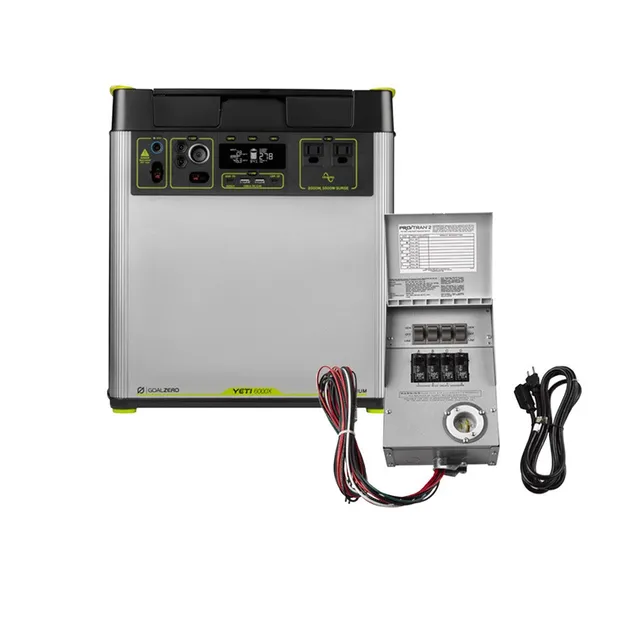
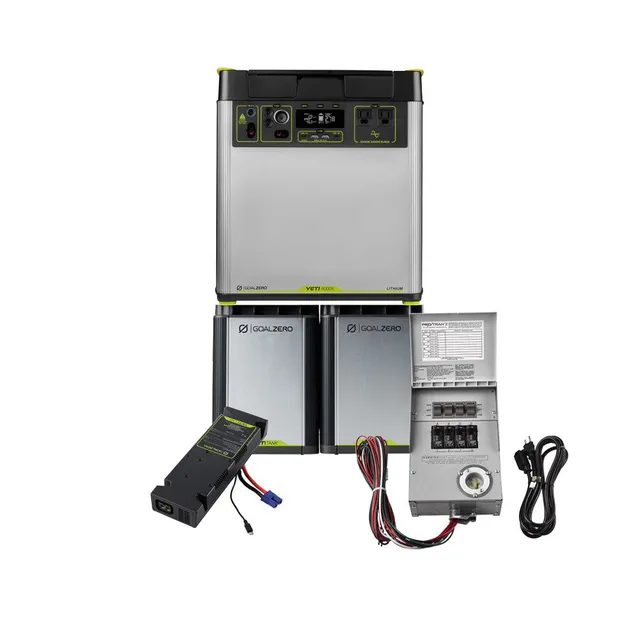
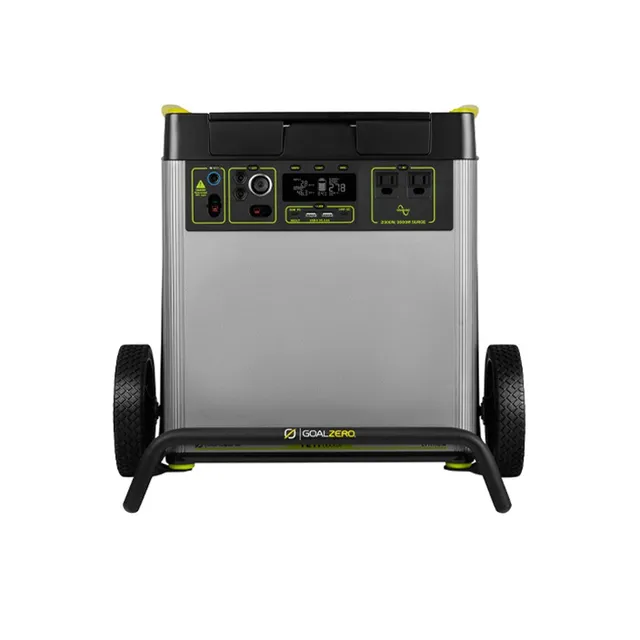
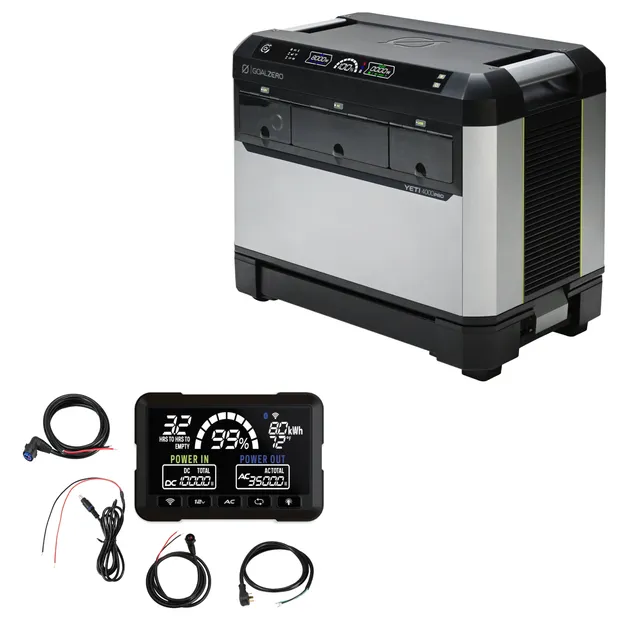
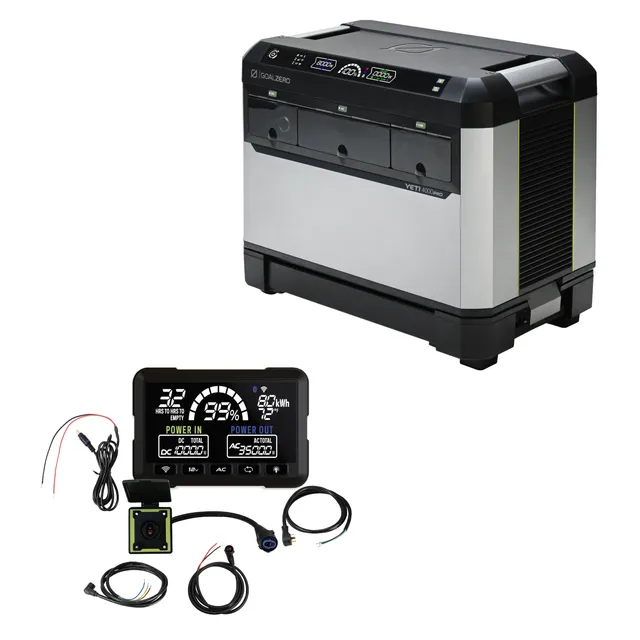
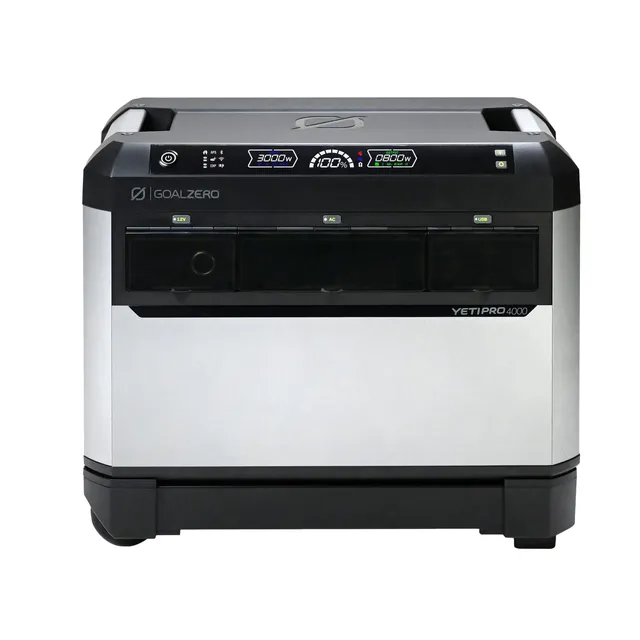
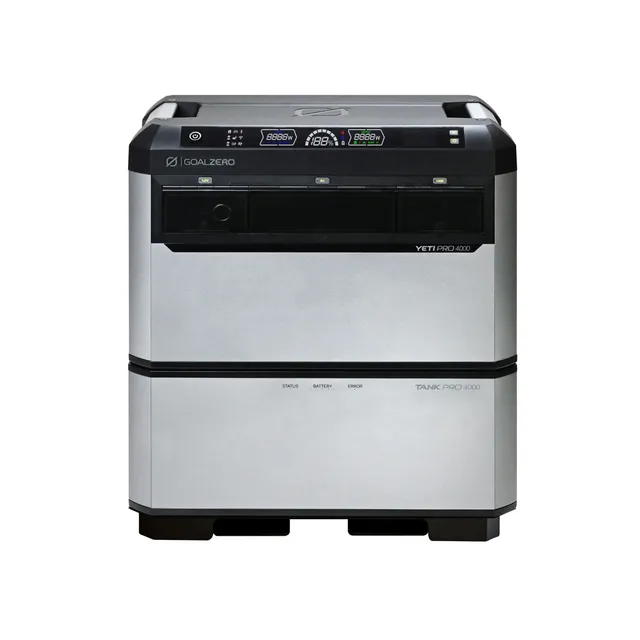
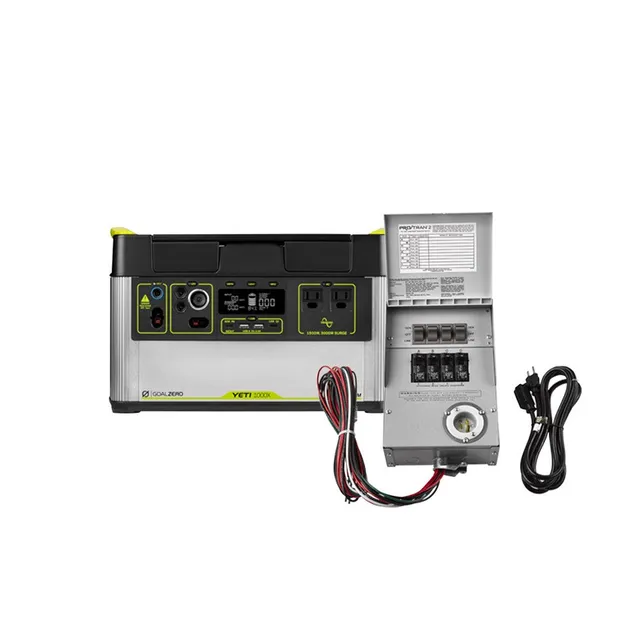
A Goal Zero Yeti comparison comes down to three sizing questions. First, runtime: a Yeti 700 can run a compact Alta 50 fridge for roughly a day, while a Yeti 1500X or larger is the pick for an Alta 80 or multi-day off-grid trips. Second, expansion: Yeti 1000X/1500X and Yeti PRO models accept Yeti Tank expansion batteries and the Yeti Link module, so you can start affordably and add capacity later. Third, charging speed: higher-capacity models benefit most from the Yeti X 230W power supply or Lithium MPPT module for faster solar and wall charging. Older Yeti 1400/1500 owners wondering what replaced their unit should look at the current 1000X/1500X generation. PowerHaven Outpost lists live prices on every model, so you can compare the cheapest fitting option, apply the OUTPOST12 coupon discount, and buy with confidence.
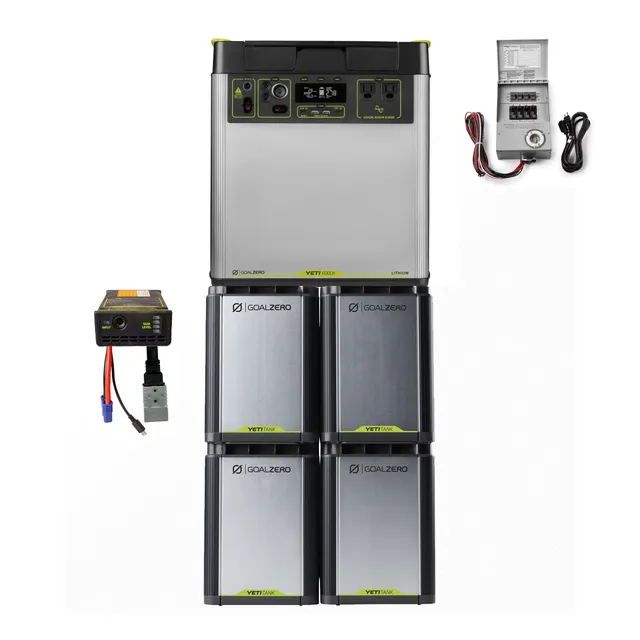
Where can I buy Goal Zero Yeti power stations at a good price?

PowerHaven Outpost carries Goal Zero portable power stations with current pricing, regular sale events and coupon code OUTPOST12 for 12% off eligible items, plus free shipping on orders over $45.

How long will a Goal Zero Yeti run a refrigerator?

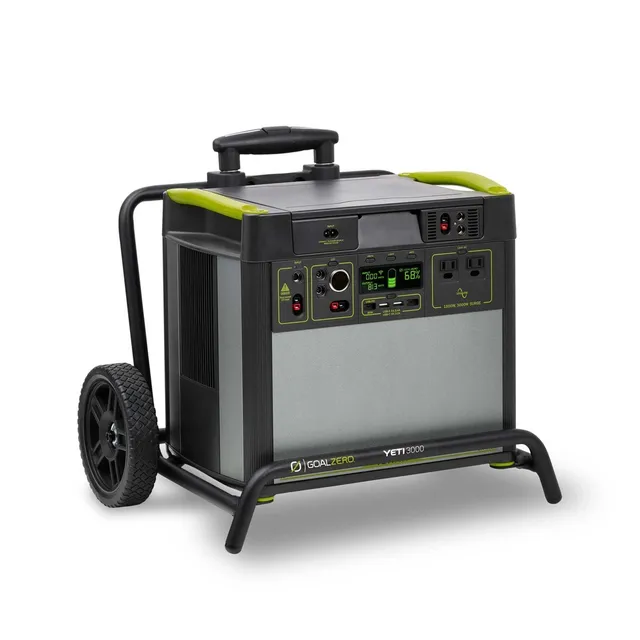
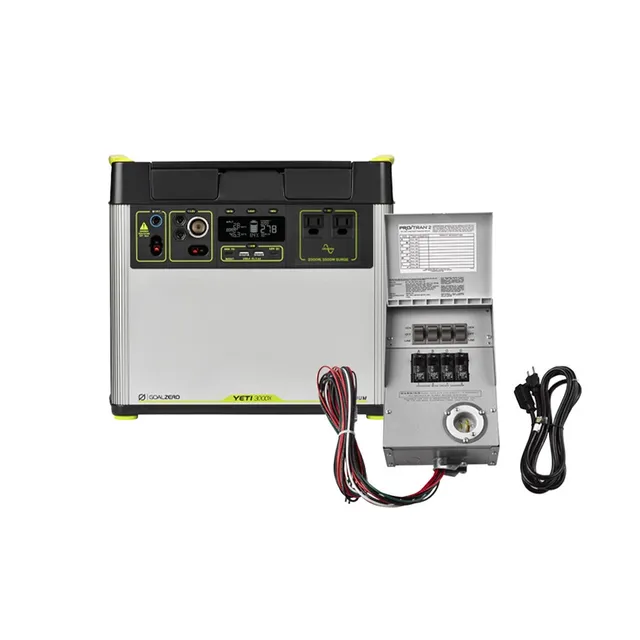
A typical full-size refrigerator draws 100–200W, so a Yeti 1500X usually runs it through several hours of compressor cycling, while a Yeti 3000X or larger can cover a full day or more. Match capacity to your fridge's actual draw for an accurate estimate.
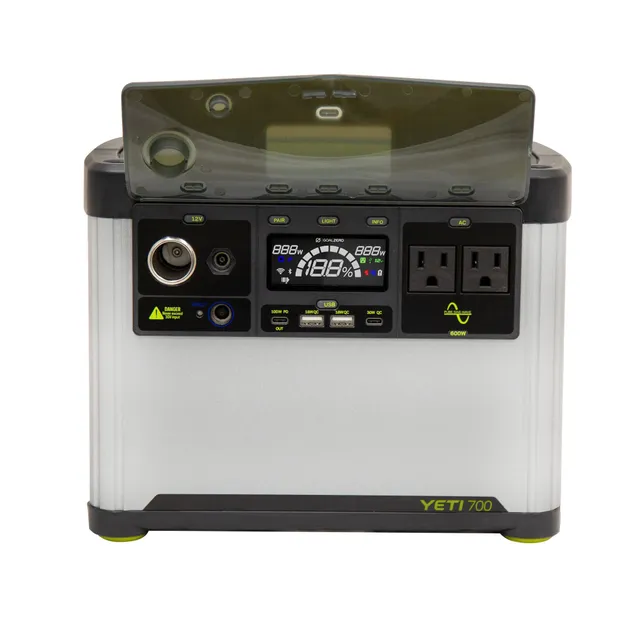
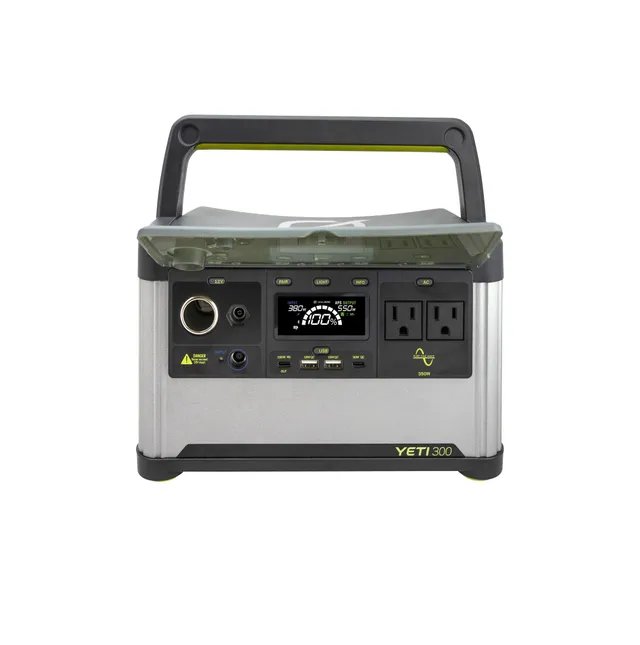
What is the difference between the Goal Zero Yeti 300, 500 and 700?

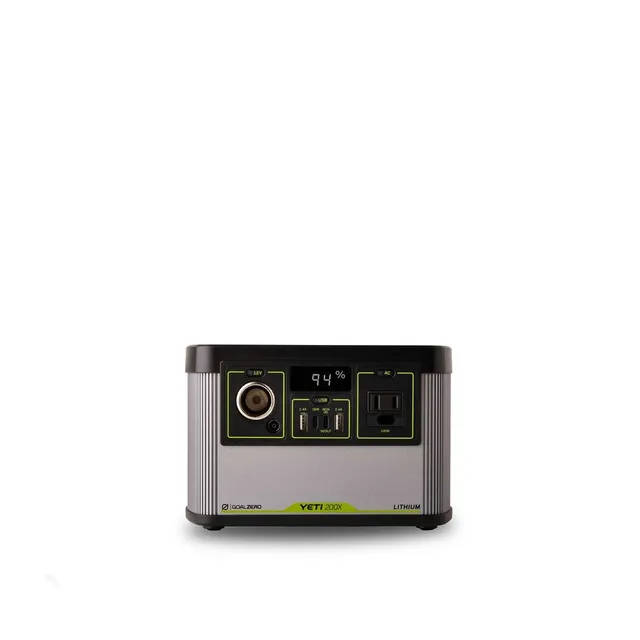
They share the same core design but scale in capacity and output — the Yeti 300 suits weekend phone/light charging, the 500 adds more device days, and the 700 is the smallest practical choice for running a portable fridge overnight.

Which Goal Zero Yeti should I use with an Alta fridge?

For the Alta 50, a Yeti 500X–1000X covers a weekend; for the larger Alta 80, choose a Yeti 1500X or bigger for the longest runtime between recharges.

12% offer ends today.

00Hours 00Min 00Sec