Buying Guidance

Goal Zero Nomad vs Boulder vs Ranger: Which Solar Panel Should I Buy?

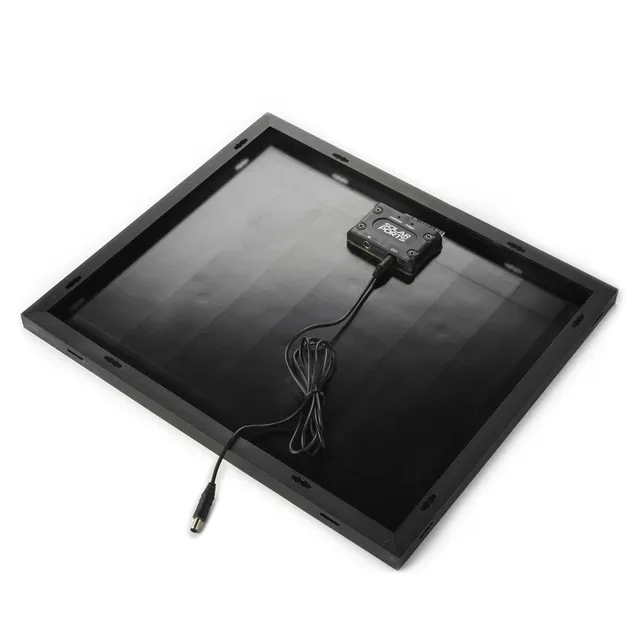
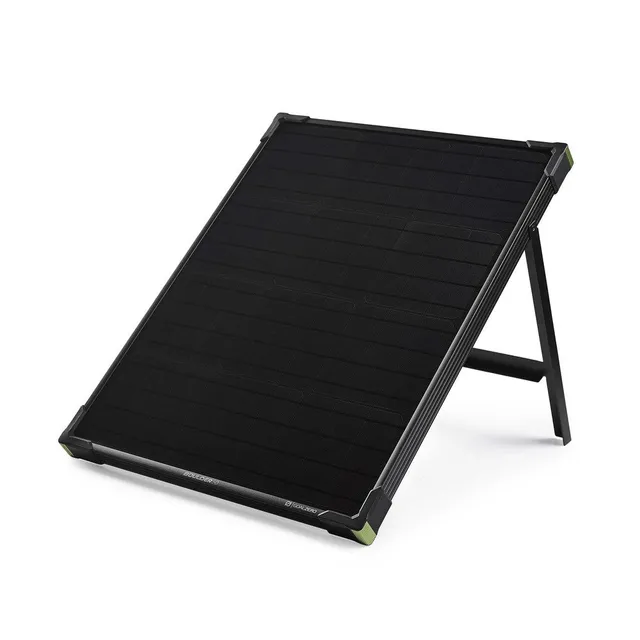
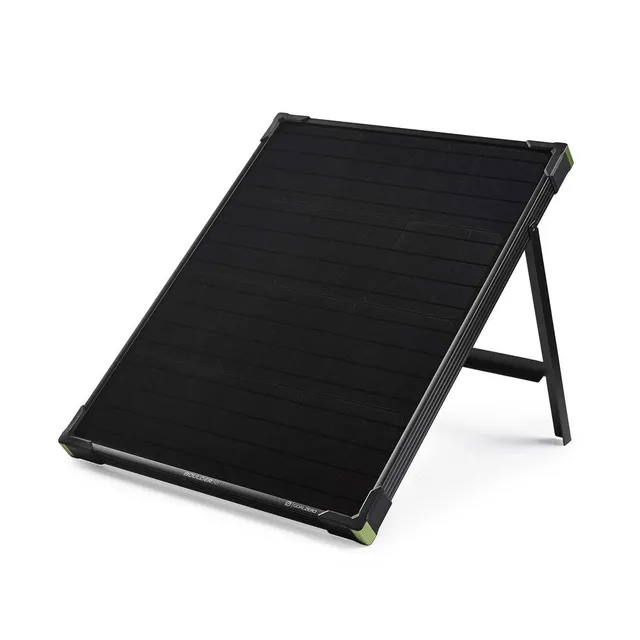
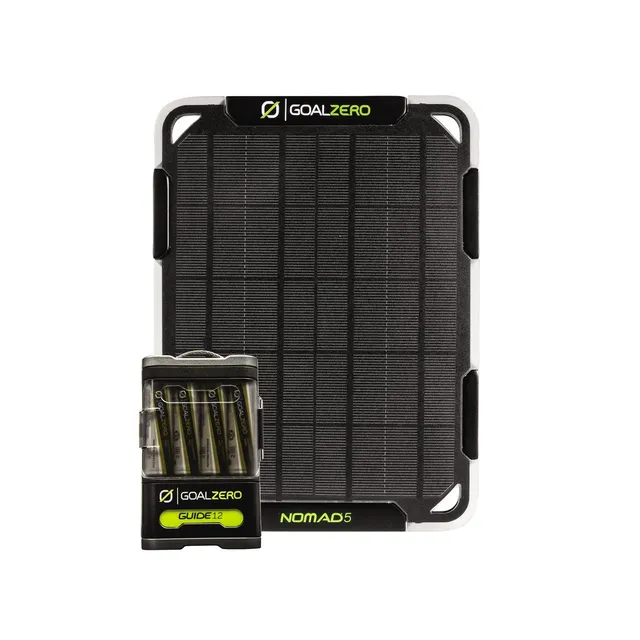
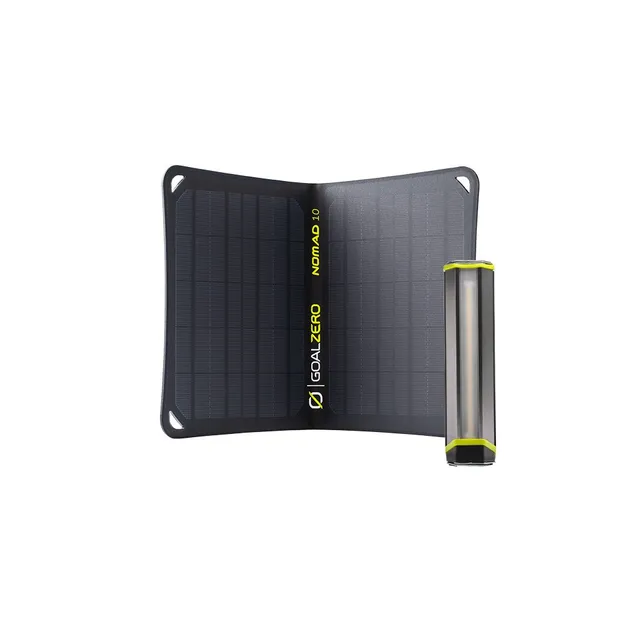
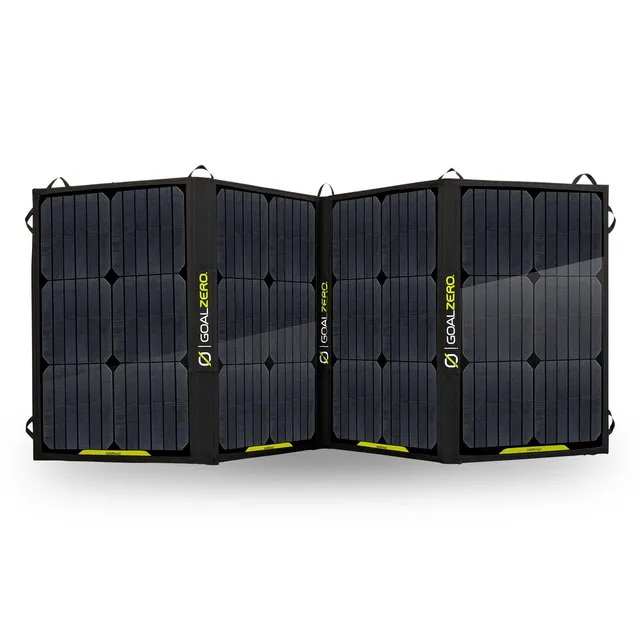
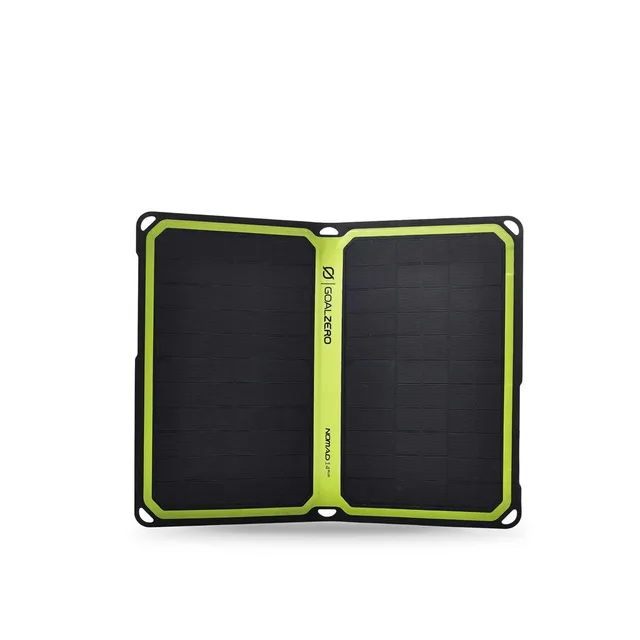
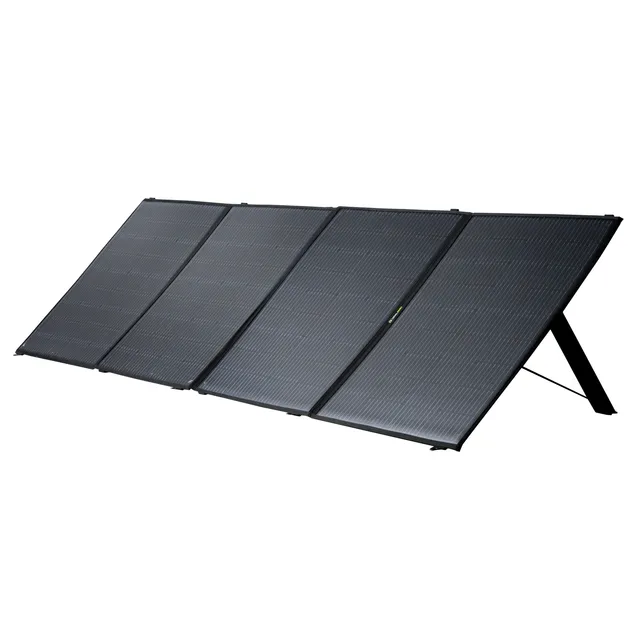
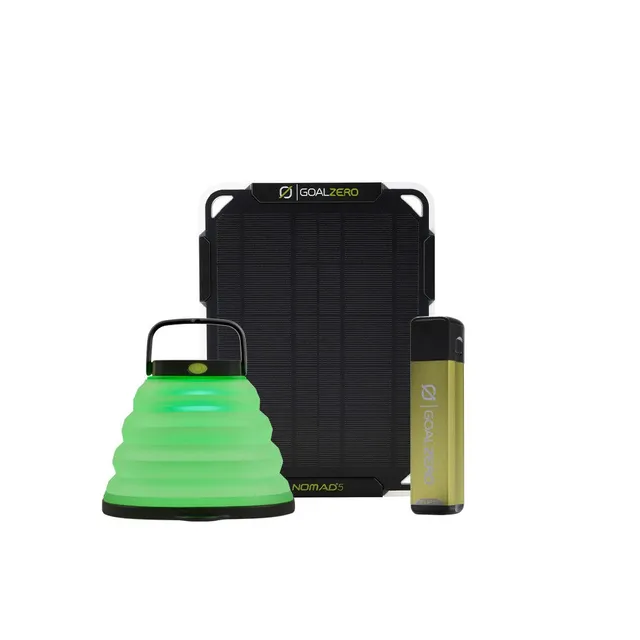
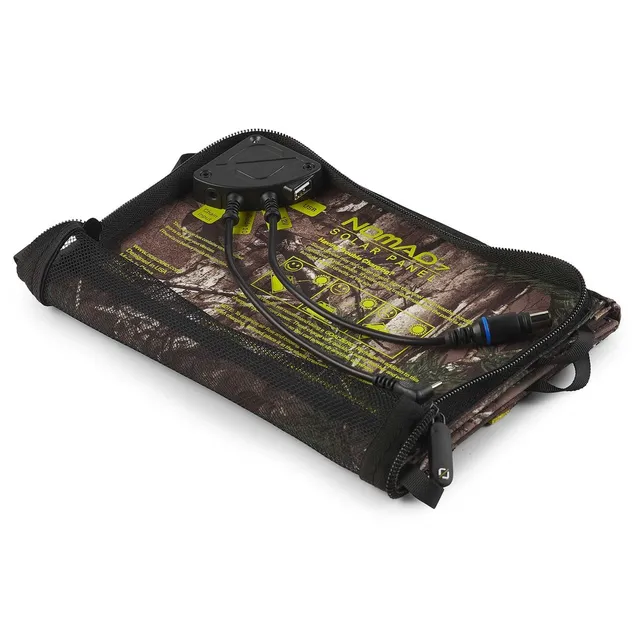
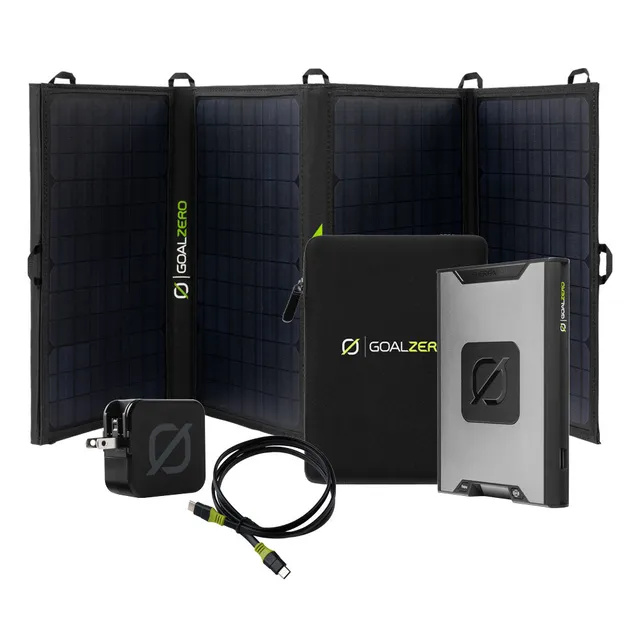
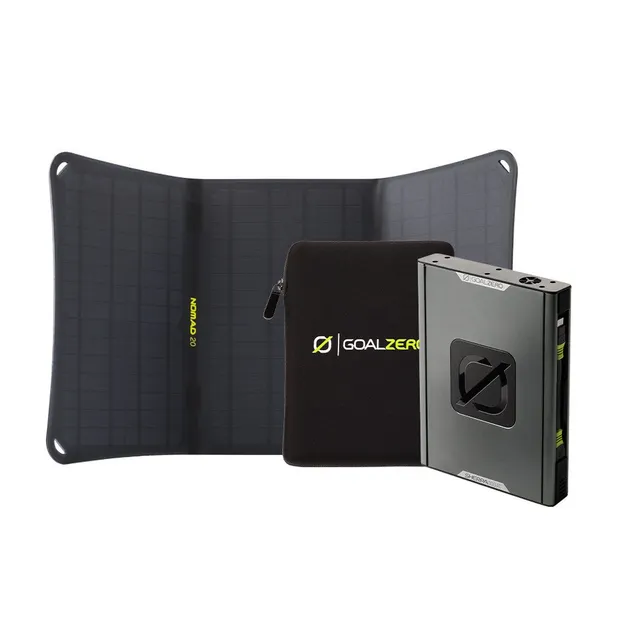
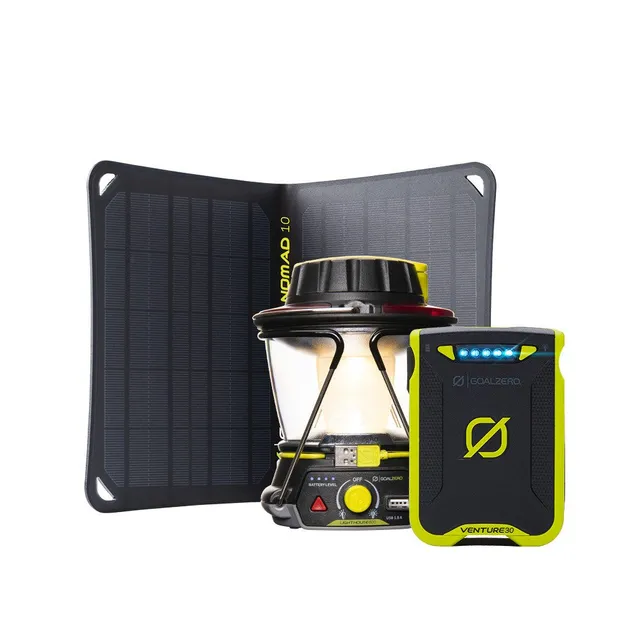
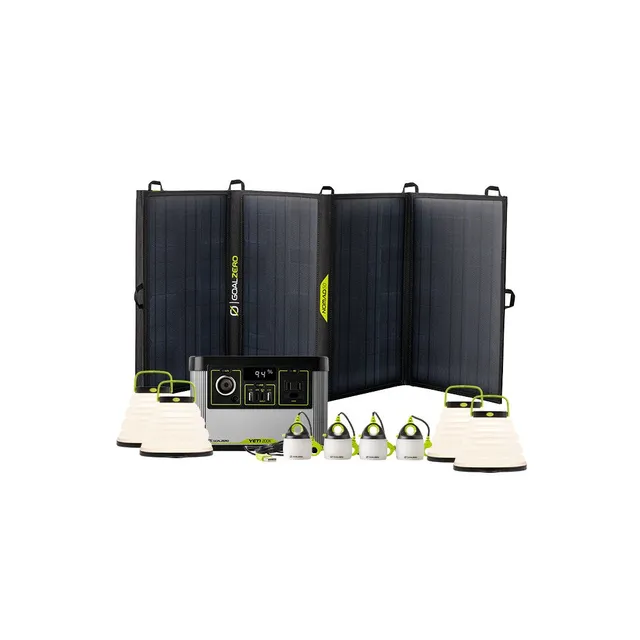
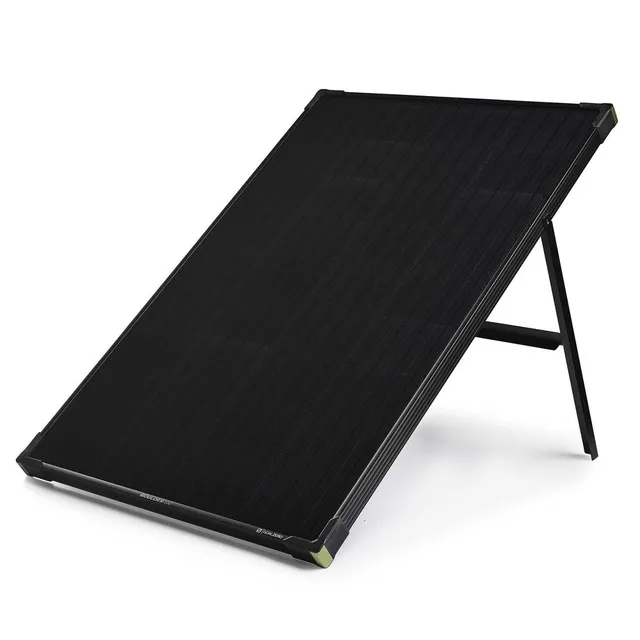
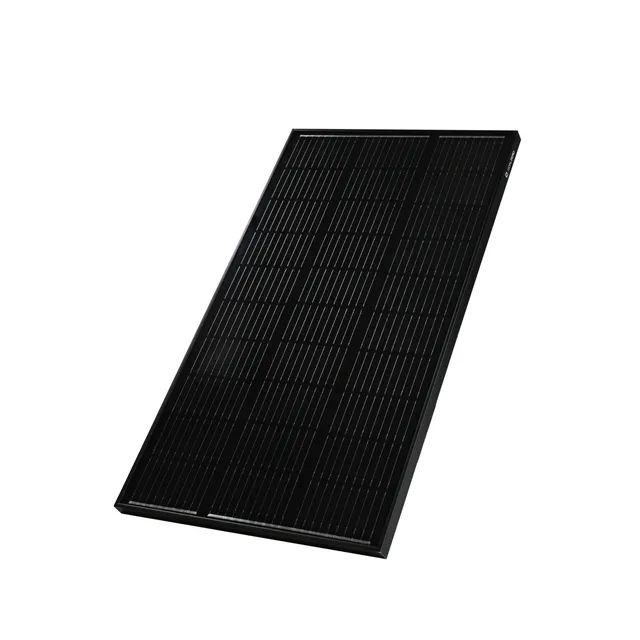
Match panel type to use case. Nomad panels fold for transport and plug directly into a Yeti — the best value for camping and emergency kits. Boulder panels are rigid glass panels for permanent mounting on RV roofs or sheds, delivering better durability for the same wattage. Ranger-class panels sit at the top for output, ideal for fast-charging a Yeti 1500X or pairing multiple panels through a combiner cable. Check connector compatibility: newer Goal Zero panels use HPP/HPP+ plugs while older Yetis take 8mm, and an MC4-to-8mm adapter opens the door to third-party panels. Also confirm your Yeti's maximum solar input before chaining panels — a Yeti 1500X, for example, accepts a specific input ceiling you shouldn't exceed. PowerHaven Outpost lists live prices on all panels, and the OUTPOST12 coupon plus current promotions deliver the lowest achievable total.
Which Goal Zero solar panel works with my Yeti power station?

Match the connector: HPP/HPP+ panels suit newer Yeti 300/500/700/4000 models, while 8mm panels and adapters suit Yeti 1000X/1500X. Check your Yeti's input limits and maximum solar watts before buying.

Can I use third-party solar panels with a Goal Zero Yeti?

Yes, with an MC4-to-8mm or MC4-to-HPP adapter, provided the panel's open-circuit voltage and wattage stay within your Yeti's input specifications.

How many Goal Zero solar panels can I connect to one Yeti?

Multiple panels can be chained through a Goal Zero combiner cable, limited by your Yeti's maximum solar input. Many Yeti models accept two or more Nomad 100-class panels in parallel.

What is the cheapest Goal Zero solar panel?

Entry-level Nomad folding panels start at $39.98 on this page, the most affordable way to solar-charge a Yeti — and they're frequently included in sale promotions with the OUTPOST12 coupon stacking on eligible items.

12% offer ends today.

00Hours 00Min 00Sec